Since 1926, Kuraray has worked to solve social issues and create new value. Today, as a global specialty chemical company, we build on 100 years of progress to pioneer new possibilities for the next century.
At Kuraray, every possibility starts with the first step
Kuraray’s story began in 1926 with the challenge of commercializing rayon. From that first step, we expanded our expertise in polymer and synthetic chemistry, creating unique materials and solutions used across diverse fields and in daily life.
Today, as a global specialty chemical company, we continue to transform small possibilities into lasting value for society.
START
1920s-1950s
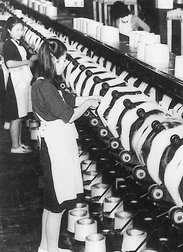
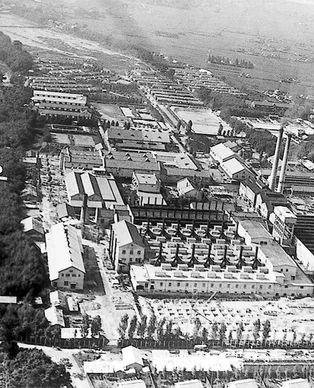
Kuraray was founded in 1926 in the city of Kurashiki with the goal of commercializing synthetic rayon. In the 1950s, we became the first company to bring polyvinyl alcohol (PVA, PVOH) fiber to market, which soon replaced natural cotton, ensuring a stable supply of fabric for clothing production.
1960s
1960s
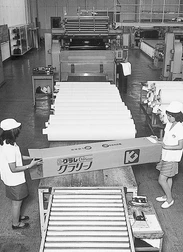
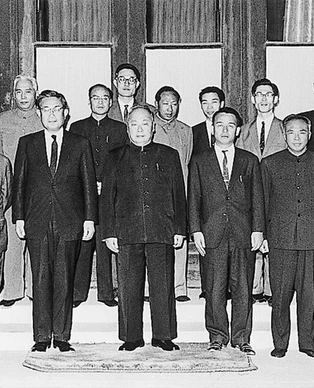
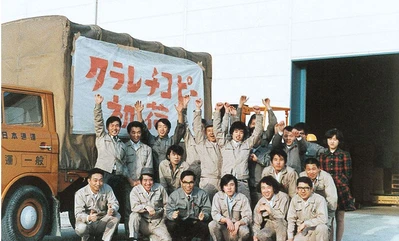
We developed CLARINO™ man-made leather, designed to replicate the structure of natural leather, and introduced polyester technology. Additionally, we became the first company in Japan to export a PVA fiber plant to China, achieving this milestone before the normalization of diplomatic relations.
1970s
1970s
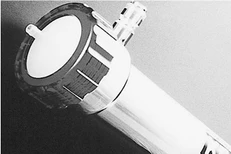
We pioneered the commercialization of the world’s first synthetic isoprene chemical products and launched new businesses, including EVAL™ gas barrier resin, medical products such as contact lenses, artificial organs, and dental materials, as well as a nonwoven fabric through a joint venture with a company overseas.
1980s
1980s
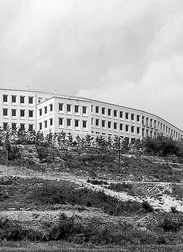
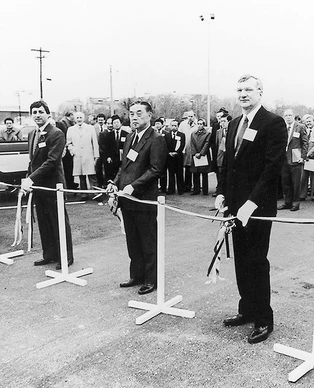
We broadened our portfolio with products such as soft contact lenses, optical disks, opto-screens, and melt-blown nonwoven fabrics while strengthening our presence in the U.S. and Europe through joint ventures in CLARINO™ man-made leather and EVAL™ EVOH resin.
1990s
1990s
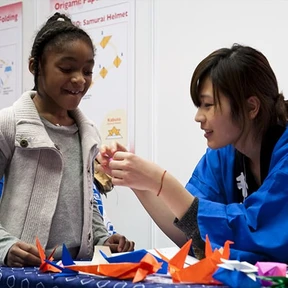
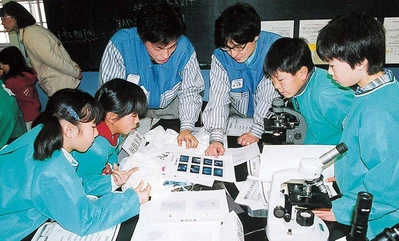
We introduced SEPTON™ thermoplastic elastomer, KURALON K-II™ water-soluble PVA fiber, and GENESTAR™ heat-resistant polyamide resin. EVAL™ EVOH resin and PVOH resin plants were established in Belgium and Singapore, respectively. We also launched our donation matching program and hosted our first chemistry class event for elementary school children.
2000s
2000s
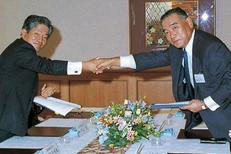
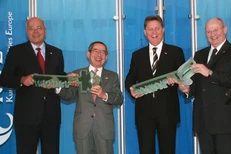
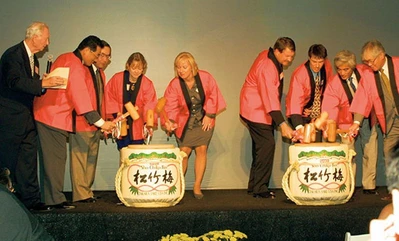
We expanded key businesses globally through strategic acquisitions, including PVA-related operations, advanced interlayer film businesses, and VECTRAN™ liquid crystal polymer fibers, while starting production of SEPTON™ in the U.S. The Kuraray Group’s unique technologies and products found widespread use worldwide, leading to significant growth in overseas sales.
2010s
2010s
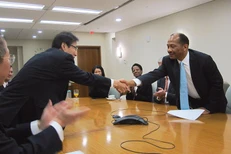
Through ongoing overseas acquisitions and strategic alliances, we successfully expanded businesses and products that contribute to both natural and living environments. This included activated carbon for water and air purification, as well as PLANTIC™ biomass-derived gas barrier material, which helps reduce logistical burdens and minimize food loss.
2020s
2020s
Guided by our mission, Kuraray takes on society’s needs through unique technologies, creating solutions including a world-first PVA microcarrier for regenerative medicine and activated carbon for PFAS treatment.
Kuraray Today
- 100
years of history lead us into 2026
- 12,000
employees around the world
- 32
countries and regions around the world
Our Initiatives
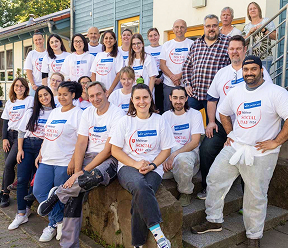
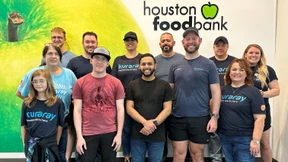
Our founder, Magosaburo Ohara, believed that wealth gained from society should be returned to society. That spirit shaped Kuraray’s support for medicine, welfare, education, and culture—and continues today through initiatives that create value for people and address social issues toward a sustainable world.
![Global efforts]() Read
ReadGlobal efforts
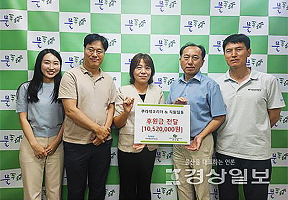
The Kuraray Group is committed to supporting disaster relief through both immediate donations and long-term aid via the Kuraray Foundation. In recent years, this commitment has included relief efforts following the 2023 Turkey–Syria earthquake and the 2024 Noto Peninsula earthquake in Japan.
![Supporting education, health, and inclusion]() Read
ReadSupporting education, health, and inclusion
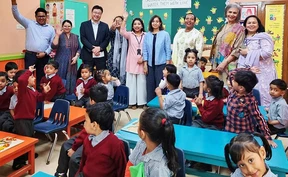
For many years we’ve run the Sending School Backpacks Across the Sea campaign, delivering over 163,000 backpacks to children in Afghanistan and beyond. The Kuraray Foundation also supports maternal and child healthcare through the Japanese Organization for International Cooperation in Family Planning. We promote employment opportunities for those with disabilities through Kuraray workshops and by supporting the Ohara Memorial Institute for Science of Labour.
![Preserving japanese culture]() Read
ReadPreserving japanese culture
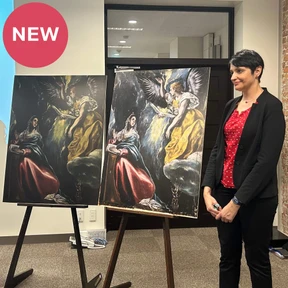
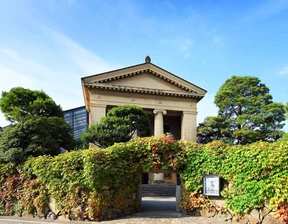
Kuraray, founded in Kurashiki City, values culture deeply, a tradition rooted in our founder’s efforts. His collection of Western paintings for local citizens led to the establishment of the renowned Ohara Museum of Art. Today, Kuraray continues to support cultural institutions such as the Ohara Museum of Art and Ehime Folk Crafts Museum. We honor researchers of Japanese culture through the Kuraray Foundation, restoring paintings and training young artists.
![Kurashiki plant / Kurashiki research center]() Read
ReadKurashiki plant / Kurashiki research center
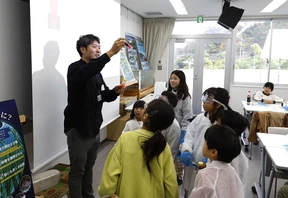
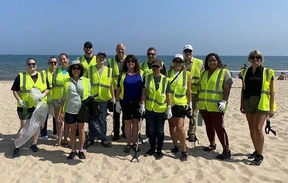
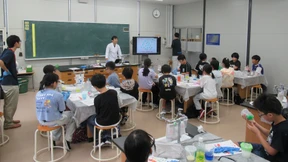
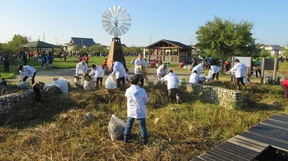
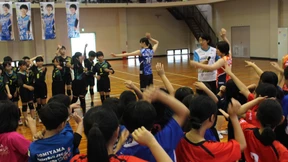
The Kurashiki Plant and Kurashiki Research Center support the community spirit through children’s sports tournaments, a summer festival, and a Christmas lighting event while continuing volunteer cleanups, chemistry classes for children, playground equipment donations, and biodiversity efforts recognized with the highest rank (AAA) in the JHEP certification.
![Saijo plant]() Read
ReadSaijo plant
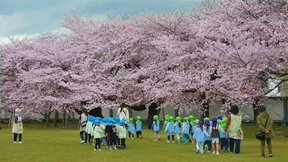
The Saijo Plant continues to strengthen community bonds through activities such as a cherry blossom viewing party and the distribution of a video afterwards, a summer festival, volunteer cleanups, children’s chemistry classes, book donations, and ongoing support for the Ehime Folk Art Museum.
![Okayama plant]() Read
ReadOkayama plant
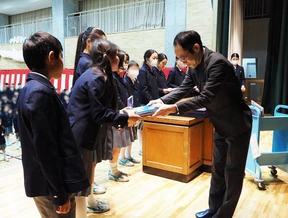
The Okayama Plant focuses on education and environmental conservation through painting and calligraphy contests with local schools, work experience programs for junior high students, and book donations. It organizes cleanups of local natural areas, a summer festival, and various donations.
![Niigata plant]() Read
ReadNiigata plant
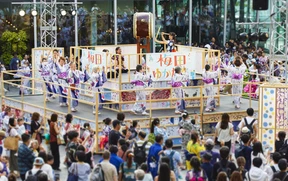
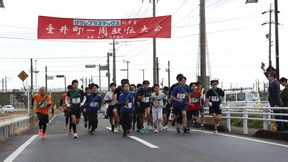
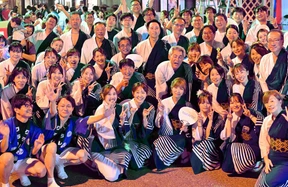
The Niigata Plant builds community trust through long-running student sports events, cherry blossom viewing parties, participation in traditional dance festivals, children’s chemistry classes, and environmental and local welfare activities.
![Kashima plant]() Read
ReadKashima plant
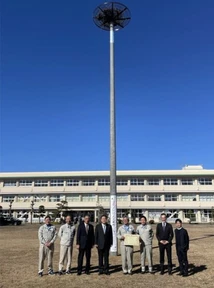
The Kashima Plant hosts chemistry classes, sports tournaments, and book donations. It also supports biodiversity by donating to the conservation of storks in Kamisu City, which was recognized with a letter of appreciation from the city.
![Tsurumi plant]() Read
ReadTsurumi plant
The Tsurumi Plant promotes biodiversity conservation through study sessions, eelgrass restoration activities, and beach and road cleanups. Since 2023, it has advanced its efforts with a slogan of “protecting the richness of the sea and land and creating a city where we can continue living.”
![Tsukuba research center]() Read
ReadTsukuba research center
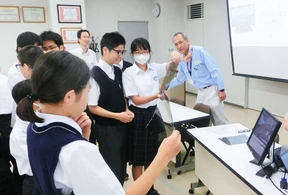
The Tsukuba Research Center promotes inclusive sports by supporting vision-impaired futsal and promotes community interaction through friendly matches and outreach by its futsal club. In 2024, it hosted local students for a facility tour and a discussion session to deepen regional ties.
![Osaka office]() Read
ReadOsaka office
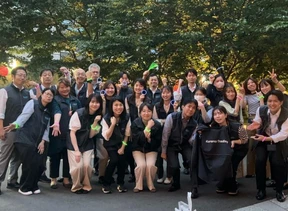
The Osaka Office fosters local engagement by sponsoring events in the Umeda area and participating in events hosted by other buildings. It also supports traditional craftsmanship through its role on the council of the Japan Folk Crafts Museum, Osaka, supporting cultural and community engagement.
![Tokyo head office]() Read
ReadTokyo head office
The Tokyo Head Office engages in social efforts through tenant exchange events, disaster stockpile donations, and the donation of books to elementary schools in Chuo-ku and Katsushika-ku. It also promotes the Sending School Backpacks Across the Sea campaign and manages the Kuraray Foundation, overseeing donations and disaster relief efforts.